When Boeing needed flawless precision and seamless coordination across its vast global supply chain, it turned to digital thread automation—an innovation that bridges design data with advanced manufacturing processes. This is the transformative power of digital thread automation in aerospace and defense (A&D).
It’s more than just a technology—it’s a game-changer. By enabling end-to-end traceability, accelerating product delivery, ensuring audit-ready compliance, and enhancing fail-safe design, the digital thread is redefining how A&D organizations operate. Industry leaders are already harnessing its ability to unify data across engineering, program management, supply chain, production, and product support, creating a single, continuous flow of intelligence.
The digital thread is becoming even more critical with the rise of Model-Based Systems Engineering (MBSE). MBSE relies on digital models to represent and analyze complex systems, and the digital thread acts as the connective tissue linking these models. This integration allows engineers to simulate an aircraft’s performance holistically, detect potential risks early, and optimize designs long before production begins—saving time, reducing costs, and elevating quality.
The Innovation Imperative: Adapt or Become Obsolete
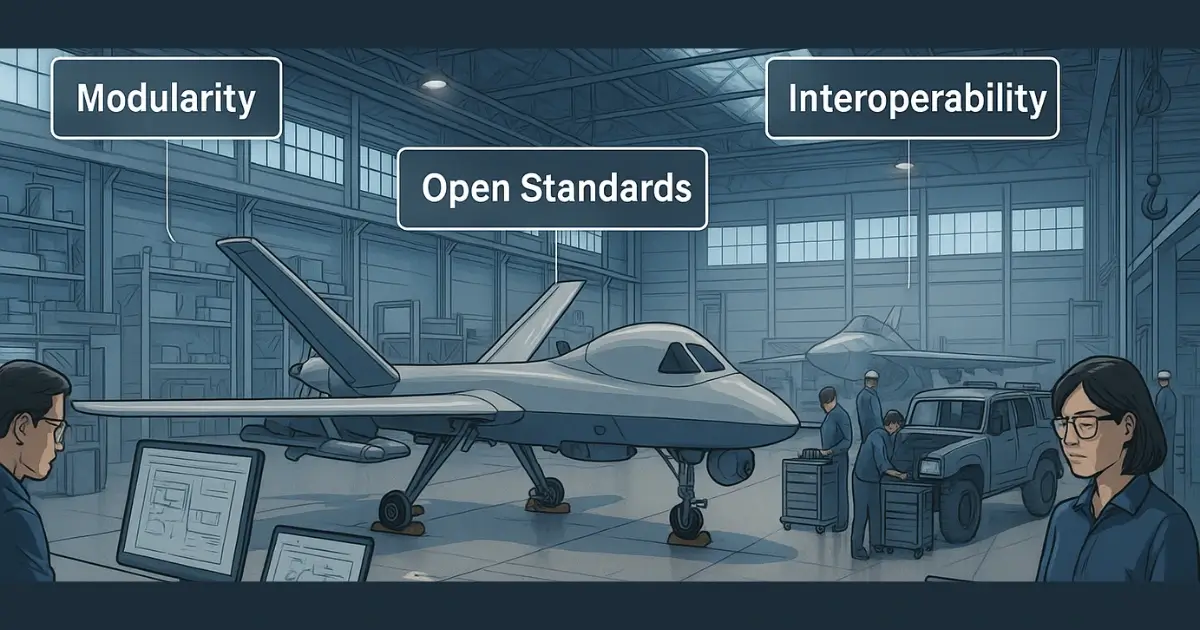
In U.S. defense manufacturing, innovation isn’t optional—it’s a survival strategy. With a projected $1.7 trillion U.S. defense budget by 2027, startups and mid-sized enterprises must outmaneuver competitors by delivering cutting-edge technology 30-50% faster than traditional timelines. Yet, legacy systems designed for a slower era are now bottlenecks, unable to keep pace with DoD’s digital engineering mandates and the Pentagon’s shift toward Modular Open Systems Approach (MOSA), now central to every defense digital transformation roadmap.
Engineering Complexity: The Hidden Cost of Silos
Modern defense systems integrate electrical, mechanical, software, and AI-driven components, making multidisciplinary collaboration mission-critical. Yet, 75% of defense programs face delays due to disconnected engineering workflows and fragmented data silos. The result? Cost overruns, compliance risks, and delayed contract fulfillment. The shift toward digital threads is no longer aspirational—it’s essential for firms aiming to remain viable in a landscape driven by Model-Based Systems Engineering (MBSE) and Zero Trust data strategies.
Cybersecurity: The New Battlefield
With over 20,000 cybersecurity incidents targeting defense contractors annually, securing intellectual property is as critical as securing supply chains. The Cybersecurity Maturity Model Certification (CMMC) 2.0, mandated by the DoD, requires stringent access controls, encrypted data transmission, and real-time threat detection. Non-compliance isn’t just a security risk—it’s a direct barrier to winning contracts.
The bottom line? In a market where contracts are won or lost by compliance readiness, manufacturing efficiency, and data security, the ability to adapt, integrate, and secure operations is the deciding factor between growth and obsolescence.
Why Automation is the Game-Changer for Digital Threads
Automation in digital threads enables the system to automate tasks and facilitates continuous flow of information without any manual intervention. This can help in:
Revolutionizing Design: From conception to manufacturing, the flawless execution of complex A&D product designs involves advanced simulation tools that feed on leveraging data on geopolitical trends, evolving threats, and emerging combat scenarios.
The continuous collection and availability of data on a centralized platform enabled by the automated digital thread enables rapid iterations as teams have instant access to product updates. Thanks to the agile environment, the result is a future-ready product that delivers on the stringent defense standards and regulations in the A&D sector.
Optimizing Supply Chain: The digital thread connects suppliers, manufacturers, and operators, providing real-time updates on inventory, part availability, and shipment tracking, strengthening defense supply chain traceability across every tier. This constant monitoring mitigates risks and proactively identifies supply chain disruptions. Automated processes also ensure the swift identification and replacement of critical components, thus reducing logistical delays.
What Defines a Defense-Grade Integration Strategy?
Interoperability Beyond Compliance
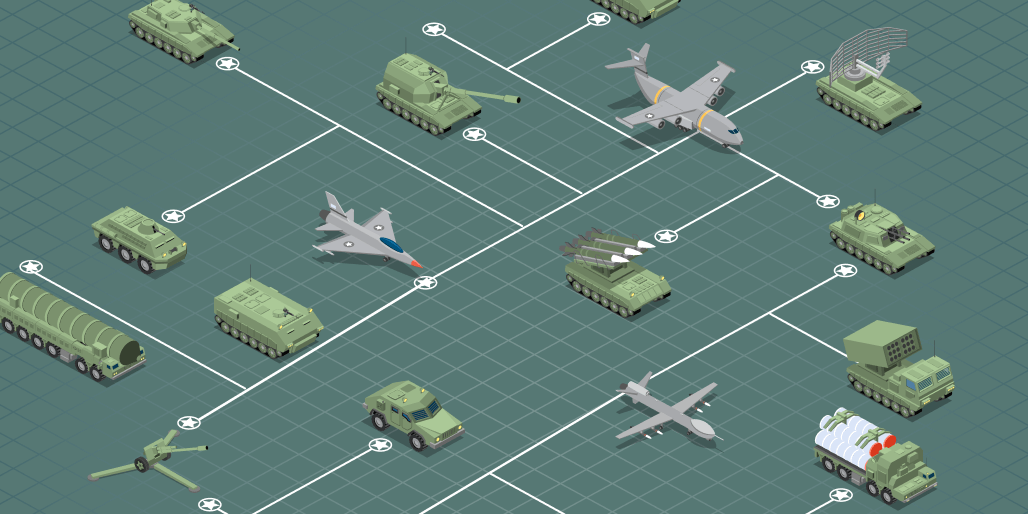
While CMMC 2.0, NIST 800-171, and ITAR mandate secure data governance, true operational advantage comes from seamless cross-domain interoperability—bridging legacy DoD infrastructure with next-gen aerospace and defense manufacturing systems.
Multi-system synchronization across PLM, ALM, MES, and sustainment platforms ensures real-time alignment between R&D, procurement, and operational command centers.
Bidirectional traceability ensures that design changes, material sourcing, and production schedules reflect the latest compliance and risk assessments.
Resilience in a Disrupted Supply Chain
A resilient digital thread mitigates risks posed by global supply chain volatility, regulatory shifts, and cyber warfare threats by ensuring:
Beyond Siloed Data: Intelligence-Driven Engineering
Digital transformation without a unifying data strategy is just added complexity. An effective integration platform operationalizes automation by:
The OpsHub Advantage: A Future-Proof Approach to Defense Integration
OpsHub Integration Manager (OIM) is engineered to synchronize, secure, and scale data across the entire defense lifecycle, offering:
By unifying design, procurement, manufacturing, and sustainment, OIM does not just integrate data streams —it transforms them into actionable intelligence.
Operationalizing Digital Thread Automation in Defense
Step 1: Strategic Mapping of the Digital Ecosystem
Step 2: Selecting an Integration Platform for Secure Interoperability
Step 3: Building an Adaptive Automation Framework
Step 4: Cybersecurity & Compliance as an Architectural Foundation
Step 5: Continuous Optimization through Real-Time Intelligence
From Compliance to Competitive Advantage: The Future of Defense Manufacturing
For enterprises competing in DoD supply chains, differentiation comes from intelligent automation, cross-tier collaboration, and real-time operational intelligence. A fragmented integration approach creates risk. A strategic, defense-grade integration framework creates an edge.
The question is not whether to automate, but how to integrate—securely, scalably, and with mission readiness at the core.