The banking sector is at a pivotal juncture grappling with escalating operational expenses, an increasingly complex regulatory environment, and the imperative to innovate in response to evolving customer expectations.
To navigate this shift, many institutions are adopting a digital thread strategy for banking and finance that unifies cost management, compliance, and innovation.
There is an immediate need to modernize core processes, rebuild the technology and operating models, and create a decentralized yet interconnected model to power the future of banking.
Traditional approaches that treat the central tenets of the banking ecosystem- cost management, compliance, and innovation- as separate challenges, lead to fragmented strategies that hinder overall efficiency and effectiveness. The need of the hour is a unified approach, seamlessly integrating these critical domains to enhance performance and competitiveness as offered by the Digital Thread.
Cost Management
Cost management remains a top priority for banks across the world. But achieving the coveted cost-income or efficiency ratio below 40% remains elusive. Latest data shows that US banks posted an aggregate efficiency ratio of 65.49% in the first quarter of 2024.
Maintaining operational efficiency is crucial to this end. The operational costs in traditional banking are substantial, driven by legacy systems, manual processes, and siloed data structures. Addressing these challenges requires legacy modernization in financial services, so banks can reduce cost burdens while improving scalability.
This is where the digital thread powered technology can offer dramatic results through:
1. Process Automation
Technologies such as Robotic Process Automation (RPA) and Artificial Intelligence (AI) can be leveraged to automate routine tasks like account opening/closure, fraud detection, etc. This streamlines processes, reduces manual dependence and eliminates human errors.
2. Data Integration
A unified data environment offers valuable insights into the bank’s activities, risks, challenges, and customer interactions. It eliminates redundancies and streamlines information flow, leading to more informed decision-making and operational efficiencies.
3. Scalable Infrastructure
Enabling a smooth transition to cloud-based platforms that offer scalable resources to cater to fluctuating demands. This shift reduces reliance on costly, on-premise infrastructure and minimizes capital expenditure on hardware, data centers, and maintenance.
For instance, Commonwealth Bank of Australia (CBA) has significantly increased its technology investment, allocating approximately $1.1 billion over six months, to enhance its digital infrastructure. This strategic move aims to outpace competitors by improving operational efficiency and customer experience through advanced technologies. Get more information
Compliance Dynamics
Financial crimes, market instability, and privacy concerns, are continually transforming the regulatory landscape. There is an increasing demand by regulatory bodies upon banks for transparency, data protection, and risk management.
Traditional compliance methods, often reliant on manual checks and disparate systems, are costly and not positioned to keep up with the rapid changes of evolving banking compliance regulations like Basel III, GDPR, and FATCA.
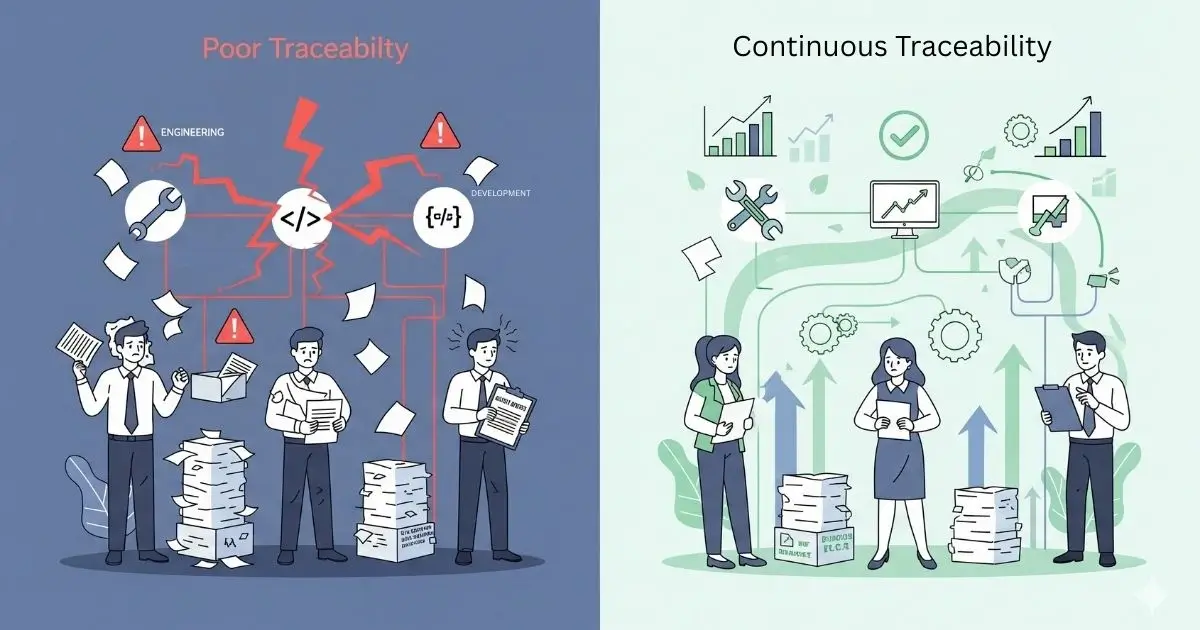
The solution is a tight-knit digital network that can enhance regulatory compliance by ensuring data consistency, traceability, and automation across financial operations. Here’s how the digital thread can help in compliance:
1. Real-Time Monitoring
Banks handle multiple transactions on a daily basis, making continuous monitoring a necessity. By integrating data from core banking systems, payment gateways, customer records, and risk management tools, the digital thread provides a real-time view of financial activities.
The real-time monitoring can be an asset in flagging potential fraud or money laundering (AML) activities, notifying compliance teams about anomalies, and ensuring adherence to evolving regulations.
2. Automated Reporting
Comprehensive reports required by regulatory bodies include vast amounts of data on financial health, customer activity, and risk exposure. Any inaccuracy in these reports can immediately lead to regulatory scrutiny.
By automating data collection, aggregation, and analysis, the digital thread can streamline the generation of compliance reports through ensuring accuracy and reducing the time burden on staff.
3. Adaptive Frameworks
As financial and banking regulations evolve, financial institutions are required to rapidly adjust their policies and reporting structures. The digital thread provides a flexible and scalable compliance framework that integrates regulatory changes directly into banking workflows, ensuring immediate compliance with new requirements.
This creates an interconnected compliance ecosystem across departments ensuring alignment with both domestic and international regulatory bodies
The Infosys Bank Tech Index highlights the importance of innovation in driving growth and differentiation, with banks like Citibank embracing blockchain technology for cross-border payments, significantly reducing transaction times and costs. Get more information
Innovation Imperative
In an era where fintech companies and neobanks are rapidly introducing innovative solutions and raising customer expectations, traditional banks must evolve to stay competitive. The future belongs to those who can insert themselves into the customer’s financial lives to offer hyper-personalized services.
To remain relevant to customers, financial institutions must adapt their organizational structure to become platforms of services. A digital thread can foster innovation in the customer banking experience through:
1. Enhanced Customer Insights
Integrating data from customer transaction history, spending habits, and life events gathered from various touchpoints can help develop a comprehensive understanding of customer behaviors and preferences.
This translates to proactive customer engagement through pre-approved loans and customized credit options, investment plans, and insurance products.
In addition, the synchronized data platform enabled by the digital thread data, across mobile banking, web portals, physical branches, and customer service centers, ensures a seamless and consistent banking experience.
2. Agile Development
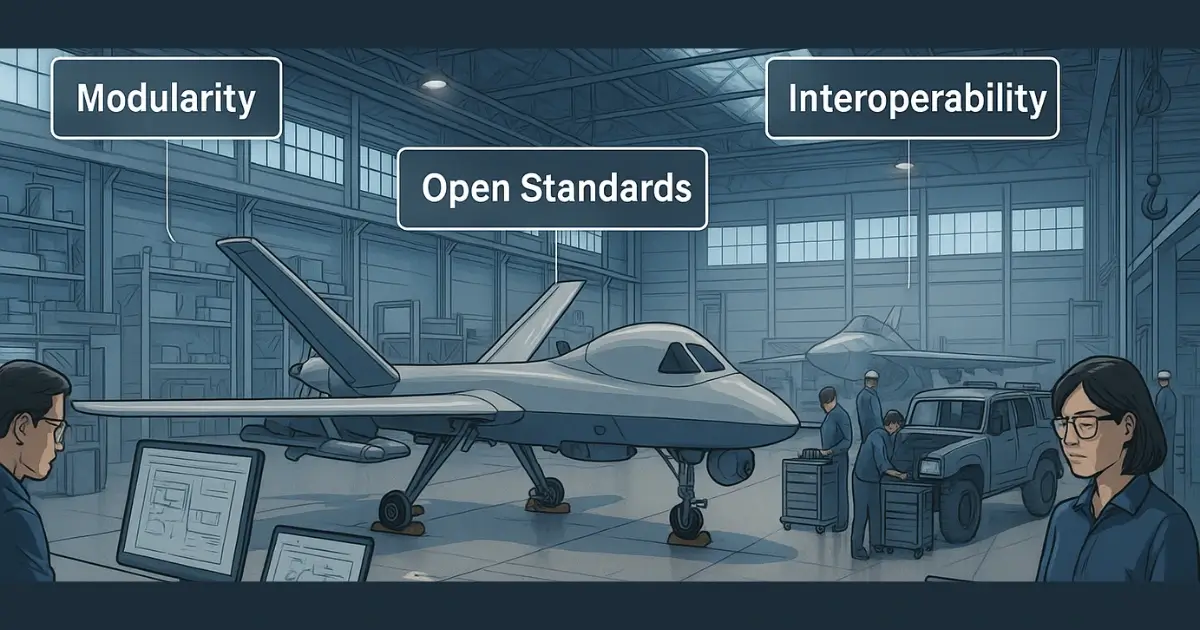
The legacy systems in traditional banks are slow to adapt to the swift market demands. A digital thread enables modular and scalable architectures, allowing banks to develop, test, and deploy new financial services with greater speed and flexibility.
Besides accelerated deployments, digital thread also enables scaling up of specific functions without overhauling the entire system.
3. Collaborative Ecosystems
The rise of Open Banking and Banking-as-a-Service (BaaS) has broadened the scope of financial institutions. This widened scope necessitates partnerships with fintechs and other third-party service providers via open APIs, to expand the bank’s service portfolio and market reach.
Integrating third-party fintech solutions like AI-powered chatbots, robo-advisors, and decentralized finance (DeFi) tools requires sharing of data with ecosystem partners. A digital thread performs the crucial tasks, securing the API-driven interactions and data-sharing capabilities to foster collaboration minus any data-related or privacy risks.
For example, SWIFT, the global bank messaging network, plans to trial live transactions of tokenized assets and digital currencies, aiming to integrate these assets into the financial system more effectively. Get more information
Digital Thread Solution: The Way Forward
The successful implementation of a digital thread in banking involves:
1. System Modernization
Upgrading legacy systems to interoperable, cloud-native, and API-driven platforms that support seamless data exchange and process integration.
2. Data Standardization
Establishing uniform data formats and protocols to ensure consistency and facilitate integration across various systems and departments.
3. Technology Adoption
Incorporating advanced technologies such as AI, machine learning, and blockchain to enhance data processing capabilities and security.
4. Change Management
Cultivating a culture that embraces digital transformation, supported by continuous training and clear communication strategies.
ING Bank’s Digital Platform Tribe adopted an agile approach to digital transformation, starting with a specific area and gradually expanding, which facilitated smoother and more effective organizational change.
Getting Started with Digital Thread in Your Banking Organization
A structured approach is key to embarking on the digital thread journey. Here’s how banks and financial institutions can embark on their digital thread journey:
1. Assessment of Current Systems:
This entails the evaluation of existing tools, workflows, and data infrastructures to point the gaps and inefficiencies.
A clear understanding of system inadequacies, data inconsistencies, and integration bottlenecks, forms the basis for a strategic digital thread implementation plan that addresses data gaps, system modernization, and compliance priorities.
2. Strategic Integration Planning
Developing a roadmap for integrating disparate systems ensures alignment with organizational goals. A blueprint helps outline how data will flow across departments, which technologies will be used, and how compliance will be maintained. Such clearly defined objectives are key to selecting the right vendor and technology for a tailored digital thread implementation.
3. Implementation of Integration Solutions
Deploying integration platforms that facilitate seamless data flow across all departments is the next step in a fully interconnected digital ecosystem. It is important to adopt the right software that helps bridge the gap between legacy systems and modern platforms.
4. Continuous Monitoring and Optimization
Deploying integration platforms that facilitate seamless data flow across all departments is the next step in a fully interconnected digital ecosystem. It is important to adopt the right software that helps bridge the gap between legacy systems and modern platforms.
How OpsHub Simplifies Digital Thread Implementation
With over two decades of experience and successful delivery of solutions to numerous Fortune 500 companies, OpsHub stands out in the market by addressing common challenges in digital thread implementation.
We help you overcome the most intricate integration hurdles through:
1. Comprehensive Integration Capabilities
With support for over 60 popular ALM, PLM, and CAD tools, as well as legacy and custom connectors, OpsHub ensures compatibility with existing infrastructures, eliminating the need for costly replacements or migrations.
2. Scalability and Flexibility:
OpsHub’s robust architecture accommodates thousands of projects and teams without compromising performance. Avail the benefit of flexible on-premise or cloud deployment options to future-proof your digital thread initiatives.
3. Enhanced Security and Compliance
By maintaining an unbroken chain of traceability across all processes, OpsHub ensures compliance with strict regulatory frameworks, a critical aspect for banking institutions, particularly in the area of data governance in banking, where consistency and control are non-negotiable.