The Coming Divide in Defense: Federation or Fallout Under DoDI 5000.97
Share: The defense industry is entering a pivotal phase of transformation. With the release of DoDI 5000.97, the U.S. Department of Defense (DoD) has made


No-code integration platform for rich bi-directional sync

Zero downtime migration to tool of your choice
Keep Historical Data, Without Slowing Down Your Tools

Migrate or restructure Azure DevOps

Real-time, context-rich data lake for AI or analytics
By Role
Accelerate delivery with clear insights

Accelerate delivery with clear insights

Transform smarter with a connected digital thread

Confident transitions for every enterprise change
By Initiative

Operational readiness through connected engineering

Modernize and move to cloud without disruption

Build a compliant digital thread for complex environments

Build the foundation for smarter AI
By Domain

No-code integration across teams and systems

Enable collaboration between IT, support, and business teams

Connect PLM & engineering teams for smarter products

Ensure regulatory compliance from start to release

Explore the latest in technology best practices

Success stories from the field

Actionable insights for your business challenges.

See solutions in action

Learn, plan, and execute with confidence

Official announcements and updates

Join discussions that drive results

Stay ahead with curated insights

Share: The defense industry is entering a pivotal phase of transformation. With the release of DoDI 5000.97, the U.S. Department of Defense (DoD) has made
OpsHub Integration Manager
Connect QA teams managing tests in Zephyr for Jira with development teams executing work in Azure DevOps through configurable two-way synchronization. Maintain test-to-work item traceability while eliminating manual updates between testing and development tools.
Request a demo
QA teams often manage test cases, test cycles, and execution results in Zephyr for Jira, while development teams track features, user stories, bugs, and tasks in Azure DevOps (Server or Cloud). When these systems operate independently, teams struggle with disconnected workflows. Developers lack real-time visibility into test execution outcomes, while QA teams cannot easily track development progress or defect resolution status.
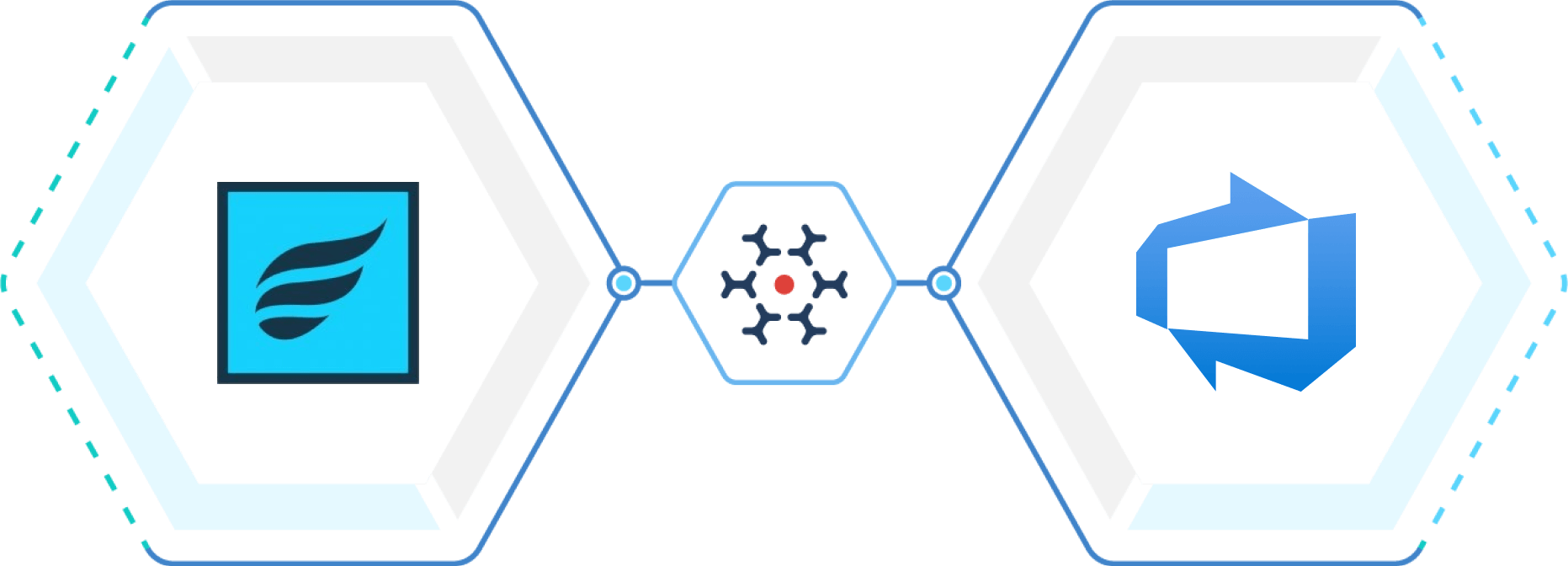
OpsHub Integration Manager connects Zephyr for Jira and Azure DevOps through automated, bidirectional synchronization. Test cases, execution results, defects, comments, attachments, and status updates stay aligned across both systems. QA and development teams continue working in their preferred tools while maintaining a shared, up-to-date view of testing progress and delivery readiness.
Trusted by the world’s leading enterprises


Secure API-based integration architecture
OpsHub connects Zephyr for Jira and Azure DevOps through secure APIs rather than installing plugins inside either system. This external architecture avoids performance overhead, eliminates plugin maintenance, and ensures both tools remain stable and secure.
Complete testing context preserved
Test cycles, execution results, defect references, attachments, comments, and relationships remain intact when synchronized. QA teams maintain structured test repositories while development teams see testing outcomes linked directly to work items.
Reliable sync across large testing programs
Enterprise testing environments involve thousands of test cases and frequent execution updates. OpsHub scales across large projects and high-volume testing activities while maintaining reliable synchronization without manual coordination.
OpsHub Integration Manager enables structured synchronization between Zephyr for Jira test management and Azure DevOps development workflows.
Zephyr for Jira to Azure DevOps:
Test cases, test cycles, execution results, comments, attachments, and test failures can synchronize with Azure DevOps’ work items such as user stories, features, or bugs. This ensures developers see validation results alongside development tasks.
Azure DevOps to Zephyr for Jira:
Work item updates, bug status changes, feature progress, and development comments synchronize back to Zephyr, so QA teams track development progress while planning or executing tests.
Synchronization occurs bidirectionally and near real time, preserving relationships between test entities and development work items. Both teams work independently while the integration maintains shared traceability.
Result: Testing outcomes, development progress, and defect resolution remain aligned across tools without manual coordination.
Problem statement
Test execution data resides in Zephyr for Jira while development progress and defect resolution happen in Azure DevOps. Without integration, teams manually exchange updates, resulting in delayed defect resolution and incomplete test-to-development traceability.
Goal
Connect testing and development workflows through automated synchronization, so QA and engineering teams maintain shared visibility into validation progress and delivery readiness.
Business value provided
Better Resource
Utilization
Increase in Customer Satisfaction
0%Growth in SLA Turnaround Time
0%