Webinars
Modernizing Product Development by Moving Off Legacy Platforms
Modernizing Product Development by Moving Off Legacy Platforms Learn when and how to move off legacy ALM platforms like IBM

No-code integration platform for rich bi-directional sync

Zero downtime migration to tool of your choice
Keep Historical Data, Without Slowing Down Your Tools

Migrate or restructure Azure DevOps

Real-time, context-rich data lake for AI or analytics

Accelerate delivery with clear insights

Transform smarter with a connected digital thread

Confident transitions for every enterprise change

Modernize and move to cloud without disruption

Build a compliant digital thread for complex environments

Build the foundation for smarter AI

No-code integration across teams and systems

Enable collaboration between IT, support, and business teams

Connect PLM & engineering teams for smarter products

Ensure regulatory compliance from start to release

Explore the latest in technology best practices

Success stories from the field
Actionable insights for your business challenges.

See solutions in action

Learn, plan, and execute with confidence

Official announcements and updates

Join discussions that drive results

Stay ahead with curated insights

Evaluate before you buy

Modernizing Product Development by Moving Off Legacy Platforms Learn when and how to move off legacy ALM platforms like IBM
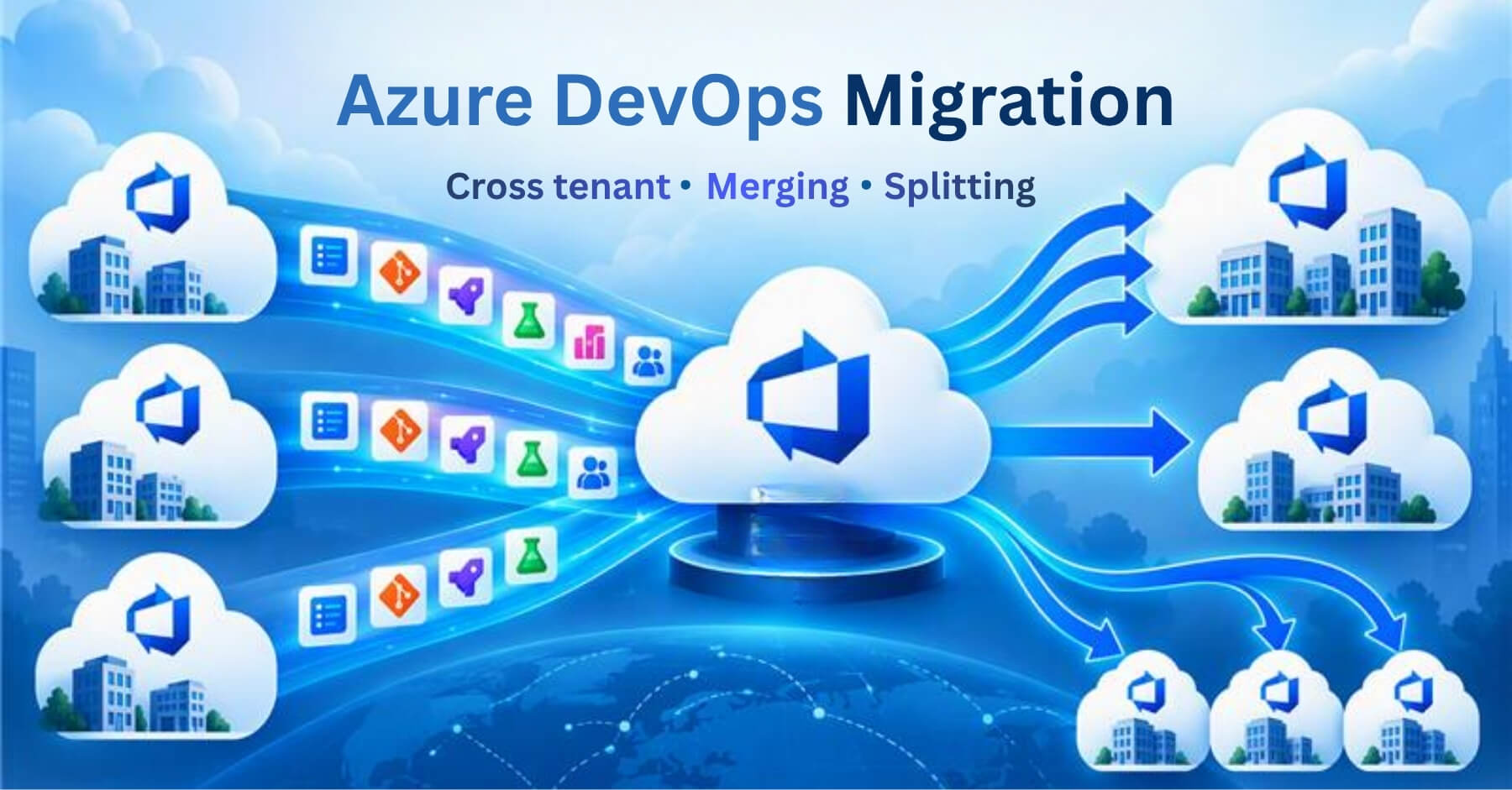
Moving between Azure DevOps organizations or tenants? This guide covers moves, merges, and splits, what migrates, your options, and the five stages to run it. OpsHub Migrator for Microsoft Azure DevOps (OM4ADO) supports it with history, user identity mapping across tenants, and delta migration, so teams keep working.

Modern-day software development teams are always on the lookout for best-in-breed tools that make their jobs easier. In this…